Most people do not fail at fitness because they lack discipline. They fail because their plan does not fit their life. A rigid program that needs six days a week collapses after one busy fortnight. The best gym workout plan is the one you can repeat, whether you have three hours or three evenings.
Start With Your Real Schedule
Look at your calendar honestly. Count the sessions you can attend in a typical week, not the ones you hope to attend.
A plan built around two or three reliable sessions beats an ambitious plan that you abandon by February.
Follow the Basic Guidelines
Health authorities recommend regular aerobic activity plus muscle strengthening on two or more days. The World Health Organization guidelines on physical activity explain how much movement adults, older people and children need.
Use these numbers as a starting point and adjust with your trainer.
The Two-Day Full Body Plan
If you can train only twice a week, choose full body sessions. Include a squat or leg press, a push movement, a pull movement and a core exercise.
Three sets of eight to twelve repetitions are enough to make steady progress for many beginners.
The Three-Day Split
With three sessions, you can alternate emphasis. Day one might focus on legs, day two on upper body and day three on a mix with conditioning.
Keep a day of rest between hard sessions to allow muscles to recover.
The Four-Day Routine
Four days allow an upper and lower split. Train upper body on Monday and Thursday, lower body on Tuesday and Friday.
This structure gives each muscle group two sessions per week, which many coaches consider ideal.
Warm Up Properly
Spend five to ten minutes raising your heart rate and moving joints through their range. Light cardio, leg swings and arm circles are simple options.
A good warm-up reduces stiffness and prepares your nervous system for heavier lifting.
Focus on Compound Lifts
Squats, deadlifts, presses, rows and pull-ups work many muscles at once. They give the best return on limited time.
Learn the technique with light weights before adding load.
Use Progressive Overload
Muscles adapt when asked to do slightly more over time. Add a little weight, an extra repetition or one more set each week or two.
Record your sessions so you can see progress clearly.
Do Not Skip Cardio
Cardiovascular training supports heart health, recovery and endurance. Choose activities you enjoy, such as cycling, rowing, running or brisk walking.
Two or three short sessions can complement strength work well.
Work With a Personal Trainer
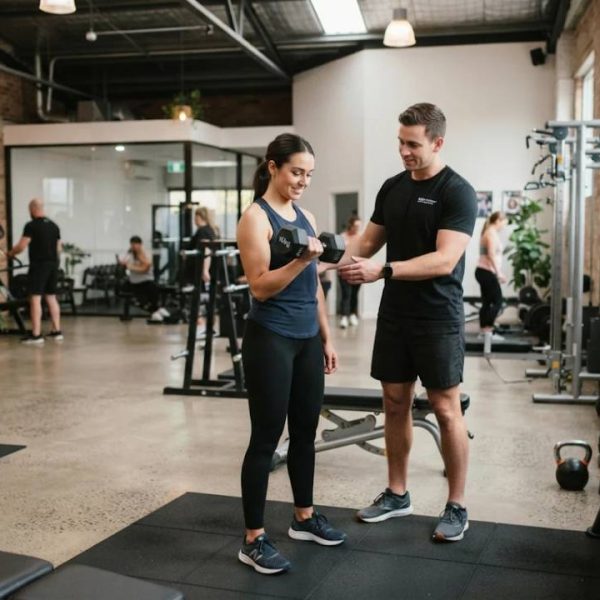
A trainer can check your technique, design a plan and keep you accountable. Ask about qualifications, experience with your goals and how they track progress.
Even a few sessions can set you up for months of safe training.
Share Your Medical Background
Tell your trainer about injuries, surgeries and conditions before you begin. Clear information helps them choose safe exercises.
Clients who move between countries sometimes need medical document translation so that trainers and doctors can read their records correctly.
Gyms Serving International Members
Large cities have members from many backgrounds. Clear signs, class descriptions and membership contracts in several languages make everyone feel welcome.
Gulf and Middle Eastern clubs often rely on an experienced arabic translation service for waivers, workout guides and marketing.
Eat to Support Your Training
You do not need a perfect diet. Aim for enough protein, plenty of vegetables, whole grains and water.
Time a meal or snack around your workout if you feel low on energy.
Sleep and Recovery
Muscles grow during rest. Aim for seven to nine hours of sleep and include gentle days with walking or stretching.
Persistent soreness or fatigue means you may need to reduce volume.
Manage Gym Etiquette
Wipe equipment after use, return weights, share machines and respect personal space. Good manners keep the gym pleasant for everyone.
Ask staff if you are unsure how a machine works.
Track What Matters
Measure strength, energy, sleep and consistency, not only body weight. Photos and measurements add context.
Review your numbers monthly and adjust.
Stay Motivated
Set small goals, train with a friend and reward consistency. Variety helps too, such as classes, outdoor sessions or new equipment.
If motivation dips, lower the bar temporarily rather than quitting.
Avoid Common Mistakes
Typical errors include lifting too heavy, skipping warm-ups, copying advanced programs and changing plans every week.
Pick a plan and follow it for at least eight weeks before judging results.
Adjust as Life Changes
Travel, work peaks and family events will interrupt training. Keep a short backup routine of thirty minutes that you can do anywhere.
Flexibility keeps the habit alive.
A Simple Starter Week
Schedule three sessions on non-consecutive days, add two short walks and plan one active rest day. Review how it feels after two weeks.
With a plan that suits your life, progress becomes a habit instead of a struggle.
Final Thoughts
Fitness is a long game. Choose a routine you can sustain, learn the basics and ask for help when you need it.
Consistency, not perfection, builds strong bodies.